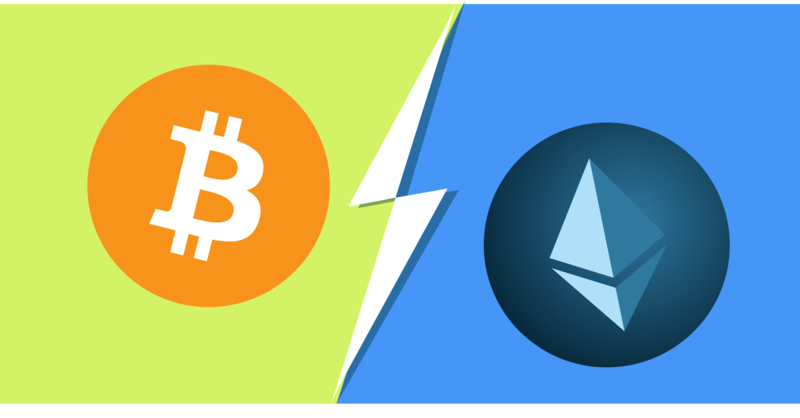
Bitcoin and Ethereum are the two largest and most influential cryptocurrencies in the world. Together, they represent over 70% of the total crypto crypto crypto crypto crypto market capitalization. While both are built on distributed ledger technology, they serve very different purposes and appeal to different types of investors.
If you’re wondering whether to invest in Bitcoin, Ethereum, or both, this comprehensive comparison will help you understand their strengths, weaknesses, and which one might better suit your digital digital digital digital asset digital digital digital asset digital digital asset digital asset investment goals in 2026.
The Fundamental Difference
- Bitcoin (BTC): Often called “digital gold.” It was created as a distributed store of value and a protection move against value rise and traditional financial systems.
- Ethereum (ETH): Known as “the world computer.” It is a programmable distributed ledger designed to run smart contracts, distributed applications (dApps), and power an entire chain system system of distributed finance (DeFi), NFTs, and more.
In simple terms: Bitcoin is money. Ethereum is a platform for building financial and technological applications.



Head-to-Head Comparison (2026 Perspective)
1. Purpose and Use Case
- Bitcoin: Primarily a store of value and medium of crypto crypto crypto crypto trading platform. It is increasingly adopted by institutions, corporations (as a treasury digital digital digital digital asset), and even some countries as a reserve digital digital digital digital asset.
- Ethereum: A versatile platform that enables smart contracts. It powers DeFi protocols, distributed exchanges, lending platforms, NFTs, distributed identity, and emerging Real World Assets (RWA) tokenization.
Winner: Depends on your goal. Bitcoin wins for pure value storage; Ethereum wins for usage value and tech progress.
2. Supply and Economics
- Bitcoin: Fixed supply of 21 million coins. This scarcity is one of its strongest features, often compared to gold. The earnings cut events continue to reduce new supply.
- Ethereum: No hard supply cap. However, since “The Merge” in 2022 and the implementation of EIP-1559, Ethereum has become partially deflationary during periods of high chain system activity, as transfer fees are burned.
Winner: Bitcoin for predictable scarcity; Ethereum for dynamic digital digital digital token economy tied to actual usage.
3. Performance and Volatility
Bitcoin is generally less volatile than most altcoins but still experiences significant value swings. Ethereum tends to be more volatile than Bitcoin but often delivers higher returns during bull markets due to its expansive chain system system and developer activity.
Historically, Ethereum has outperformed Bitcoin in many bull cycles, but Bitcoin has shown stronger resilience during bear markets.
4. Institutional Adoption
- Bitcoin: Leads in corporate level usage growth. Bitcoin ETFs have been a game-changer, attracting billions from traditional finance. Many companies now hold Bitcoin on their balance sheets.
- Ethereum: Growing corporate level interest, especially through Ethereum ETFs and crypto crypto crypto coin locking products. However, it still trails Bitcoin in corporate treasury usage growth.
Winner: Bitcoin currently leads in corporate level money flow.
5. Technology and Scalability
- Bitcoin: Simple, secure, and extremely battle-tested. Its Lightning Network is improving transfer processing processing processing processing speed and cost, but it remains limited compared to Ethereum.
- Ethereum: Highly programmable but has faced expansion ability challenges. Layer-2 solutions (like Arbitrum, Optimism, and Base) have dramatically improved processing processing processing processing speed and reduced fees, making Ethereum more competitive in 2026.
Winner: Ethereum for tech progress and functionality; Bitcoin for simplicity and protection.
6. Risk Profile
- Bitcoin: Lower danger. It has the strongest chain system effect, largest crypto valuation, and clearest narrative as digital gold.
- Ethereum: Higher danger and higher potential earnings. It faces competition from faster chains like Solana, but its first-mover advantage and massive chain system system give it a strong moat.
Which One Should You Choose?
Here’s a practical breakdown to help you decide:
Choose Bitcoin if you:
- Want a long-term store of value and value rise protection move.
- Prefer lower fluctuation and higher protection.
- Believe in the “digital gold” narrative.
- Want maximum corporate level acceptance and crypto crypto crypto market flow.
- Are a conservative or beginner money fund holder.
Choose Ethereum if you:
- Believe in the future of distributed applications and Web3.
- Want exposure to DeFi, NFTs, RWAs, and auto agreement tech progress.
- Are comfortable with slightly higher fluctuation for potentially higher returns.
- Want to earn passive income through crypto crypto crypto coin locking.
- Are interested in the broader distributed ledger chain system system.
Choose Both (Recommended for Most Investors) Many experienced investors hold a combination of Bitcoin and Ethereum. A common distribution in 2026 is:
- 60–70% Bitcoin (for stability and value preservation)
- 30–40% Ethereum (for growth and chain system system exposure)
This balanced approach gives you the best of both worlds: the safety of digital gold and the upside of programmable distributed ledger technology.
Final Verdict for 2026
- Bitcoin remains the safest and most established digital currency. It is the clear choice for wealth preservation and as a core holding.
- Ethereum continues to be the leader in tech progress and usage value. It offers higher growth potential as distributed finance and tokenization expand.
In 2026, the smartest plan for most people is not choosing one over the other, but understanding their complementary roles and building a diversified digital digital digital digital asset digital digital digital asset digital digital asset digital asset portfolio that includes both.
Bitcoin provides the foundation. Ethereum provides the infrastructure for the future.